
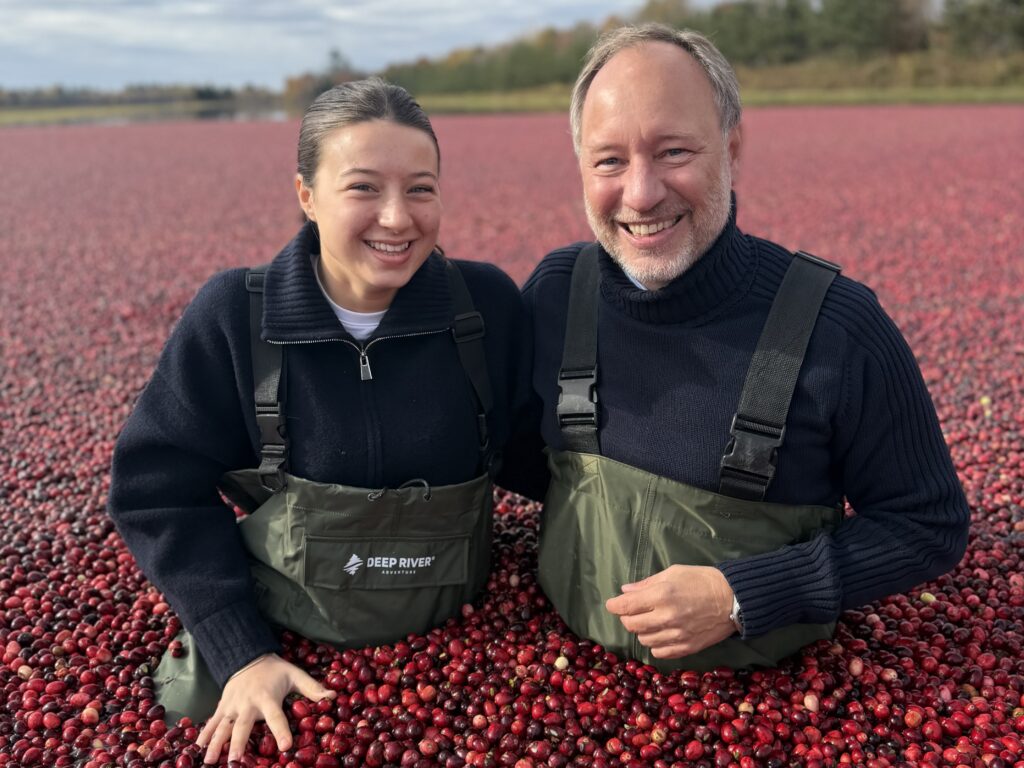
Visiting the places where our raw materials are grown has always been one of the most rewarding parts of our work. Over the years, we have had the opportunity to explore growing regions and meet producers in different parts of the world. Every visit has taught us something new.
Having already shared some of these experiences — from aronia and lemon balm in Poland to acerola in Brazil — this time our journey took us across the Atlantic to Québec, Canada.
In mid-October, we had the pleasure of visiting the growing areas of Fruit d’Or, one of North America’s leading cranberry producers, and experiencing the harvest of Vaccinium macrocarpon first-hand.
It was an opportunity not only to learn more about this small red berry, but also to discover the region, meet the people who grow it and see a remarkable farming system in which water plays a surprisingly important role.
Cranberries: small plants with some surprising characteristics
The cranberry, Vaccinium macrocarpon, belongs to the Ericaceae family, alongside European bilberry (Vaccinium myrtillus) and highbush blueberry (Vaccinium corymbosum).
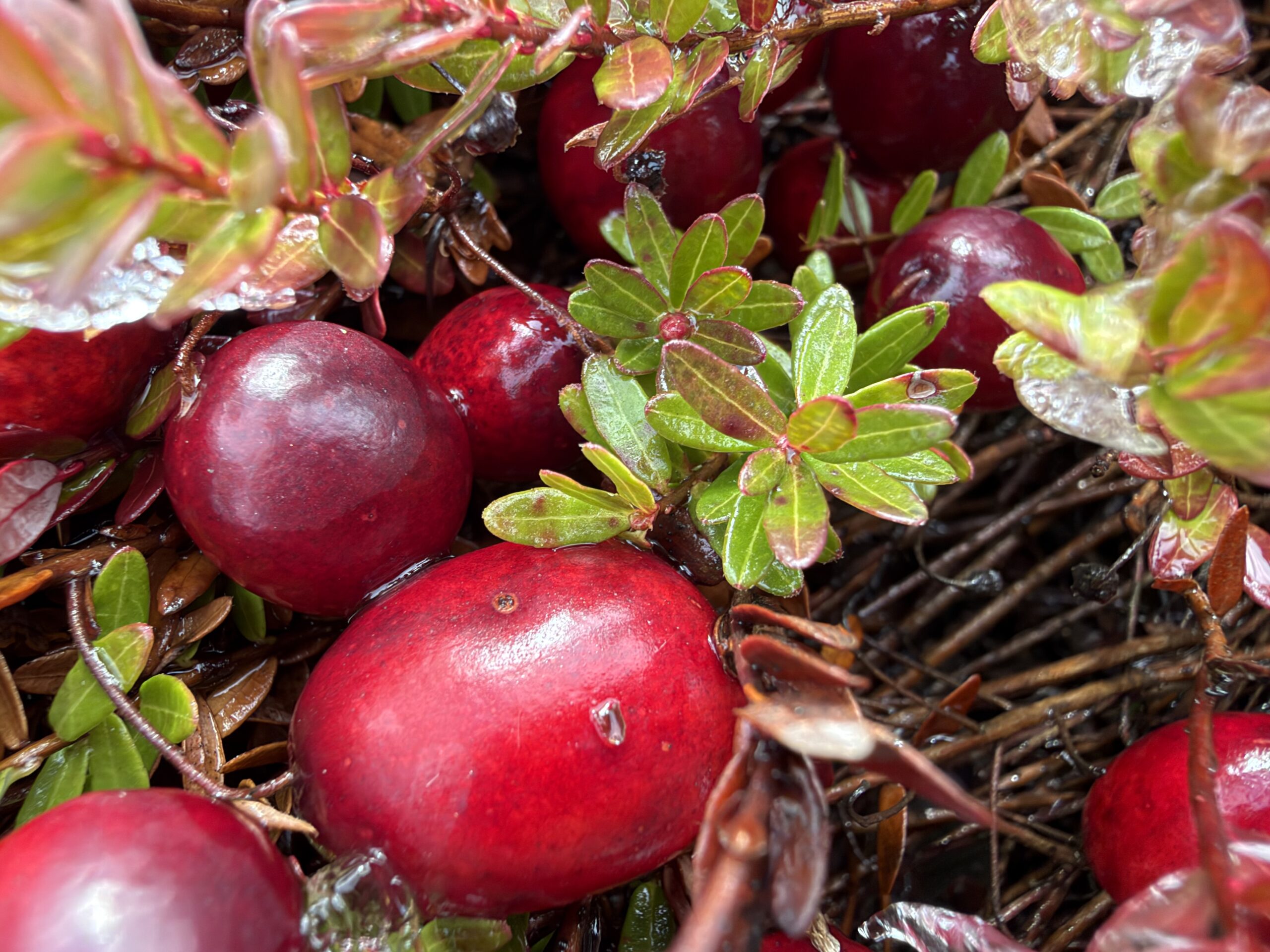
Unlike these upright-growing shrubs, the cranberry is a low-growing, evergreen perennial with slender trailing stems that spread across the ground, forming a remarkably dense carpet of vegetation.
This was one of the first things that struck us during our visit. The plants grow almost at ground level and, once well established, their dense cover helps reduce the space available for weeds.
This certainly does not eliminate the need for careful weed management, but it is an interesting advantage of the crop.
Cranberries thrive in acidic, well-drained soils, often sandy and rich in organic matter. They produce delicate pink flowers that develop into the familiar berries, changing from green to an increasingly deep red as summer progresses.
Why Québec?
Commercial cranberry growing is concentrated mainly in North America, with the United States and Canada as the two leading producing countries.
In the United States, the main growing regions include Wisconsin and Massachusetts. In Canada, production is centred largely in Québec and British Columbia. Cranberries are also grown in Chile, in the Southern Hemisphere, where the harvest takes place at a different time of year.
Québec is particularly interesting: it is Canada’s leading province by cranberry-growing area and one of the world’s major centres of organic cranberry production.
The region offers conditions well suited to this North American species: acidic soils, abundant water resources, harsh winters and a relatively short growing season.
Of course, the cold climate also presents challenges, especially the risk of frost in spring and autumn. This is where one of the most fascinating aspects of cranberry farming comes into play.
Water: a valuable ally throughout the year
One of the most distinctive aspects of cranberry cultivation is its relationship with water.
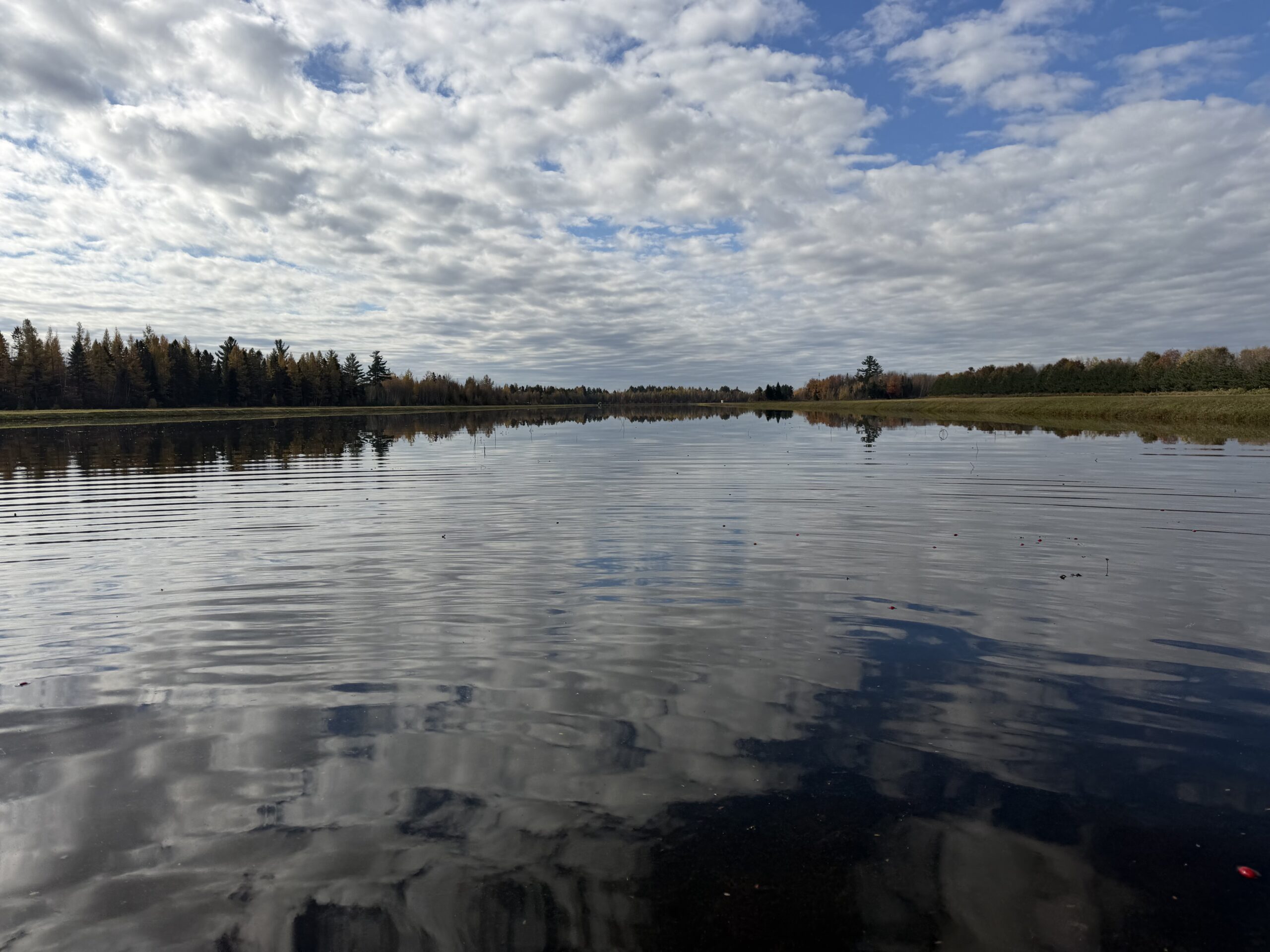
Despite what harvest photographs might suggest, cranberry plants do not normally grow underwater. They are cultivated in fields that can be temporarily flooded using a network of reservoirs, channels, embankments and irrigation systems.
Water serves several purposes throughout the year, from summer irrigation and frost protection to the autumn harvest.
The large reservoirs, connected by channels and pumps, reminded us in some ways of rice paddies, which may be more familiar to European readers. There is, however, an important difference: cranberry fields are flooded only temporarily, for specific farming purposes.
The management of water resources is fascinating in its own right. Water can be stored in reservoirs and holding ponds, then used and, wherever possible, collected and returned to the system.
When ice protects plants from frost
One of the most surprising things we learned during our visit was how water can be used to protect plants from low temperatures.
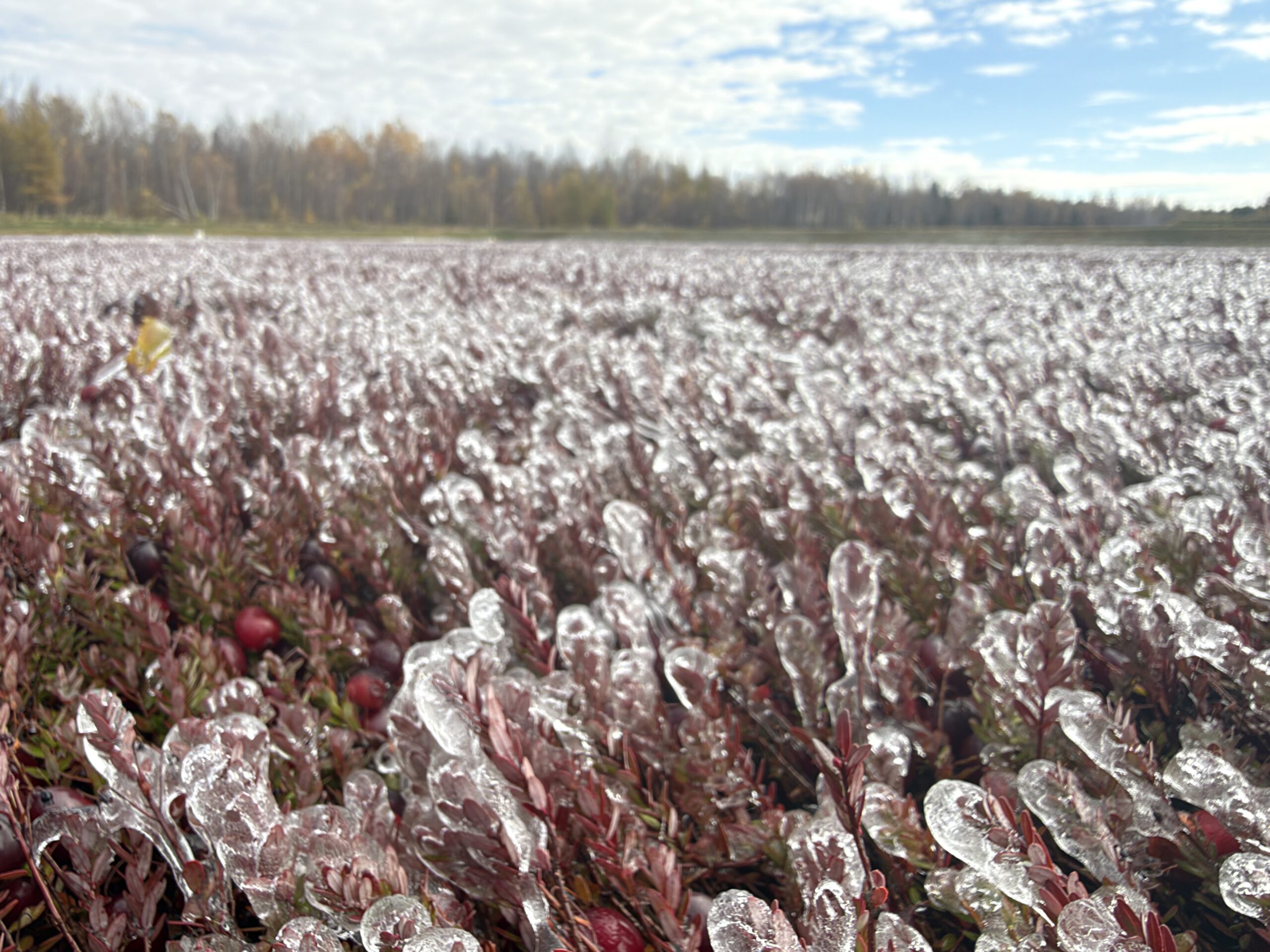
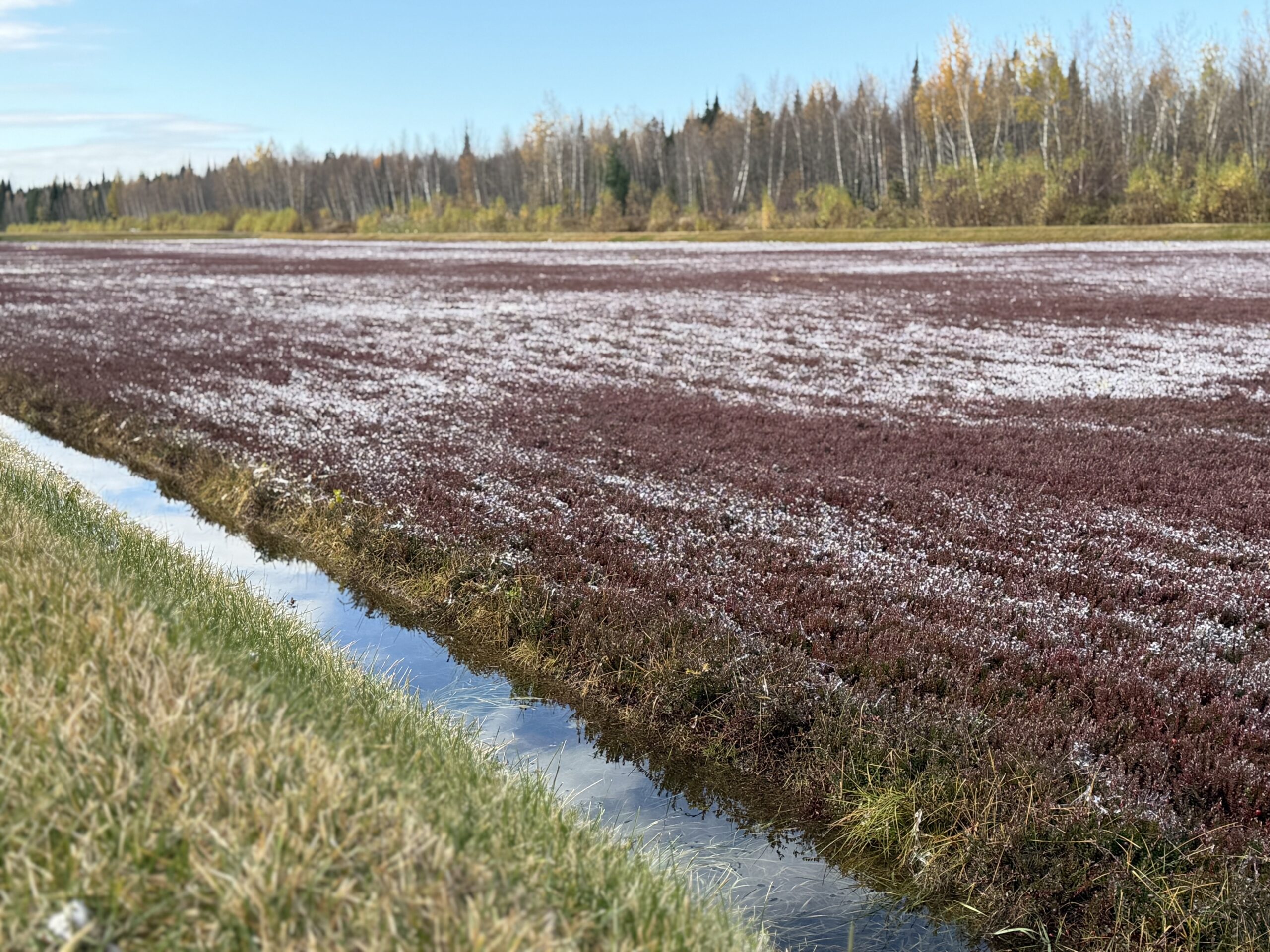
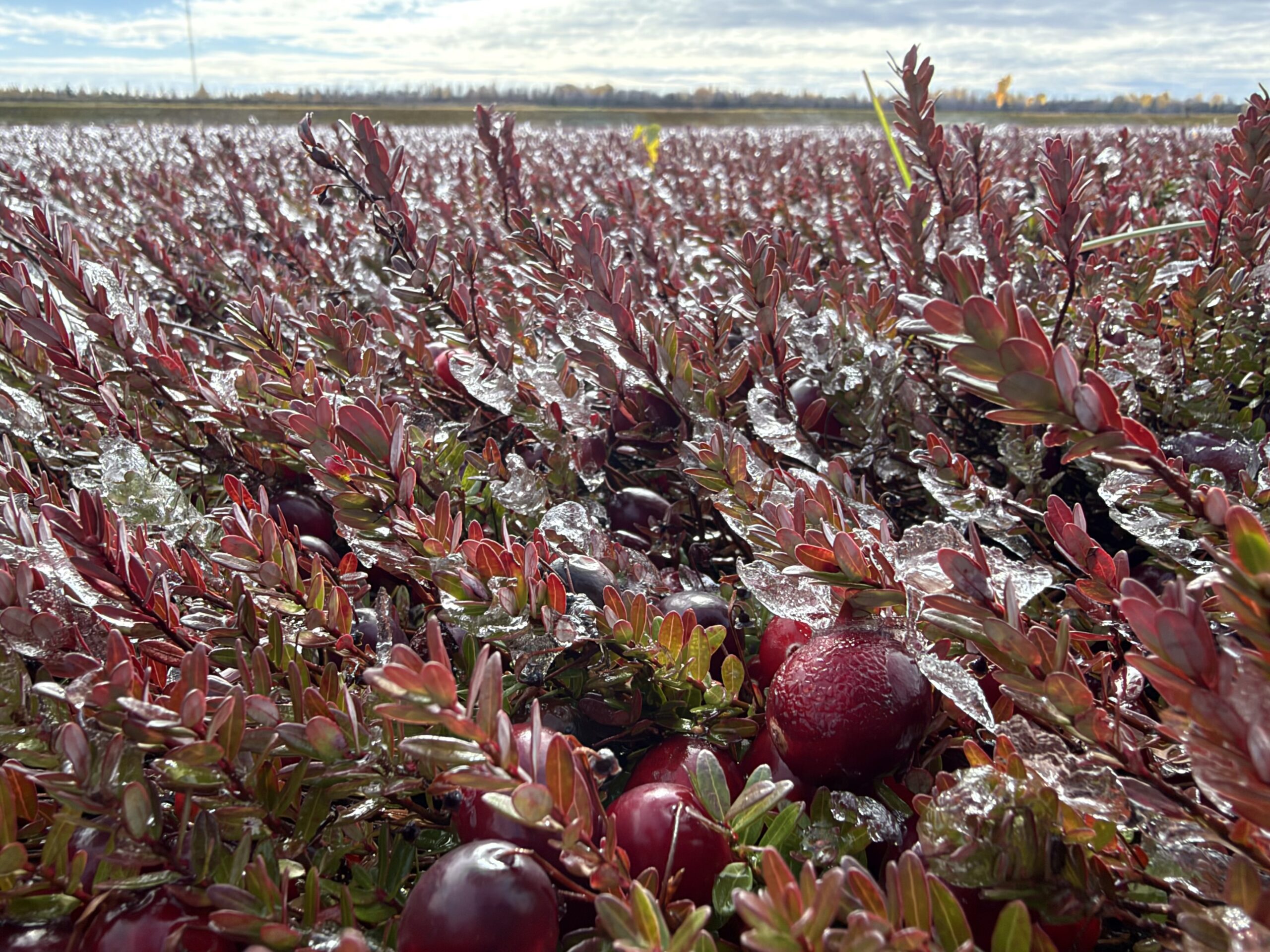
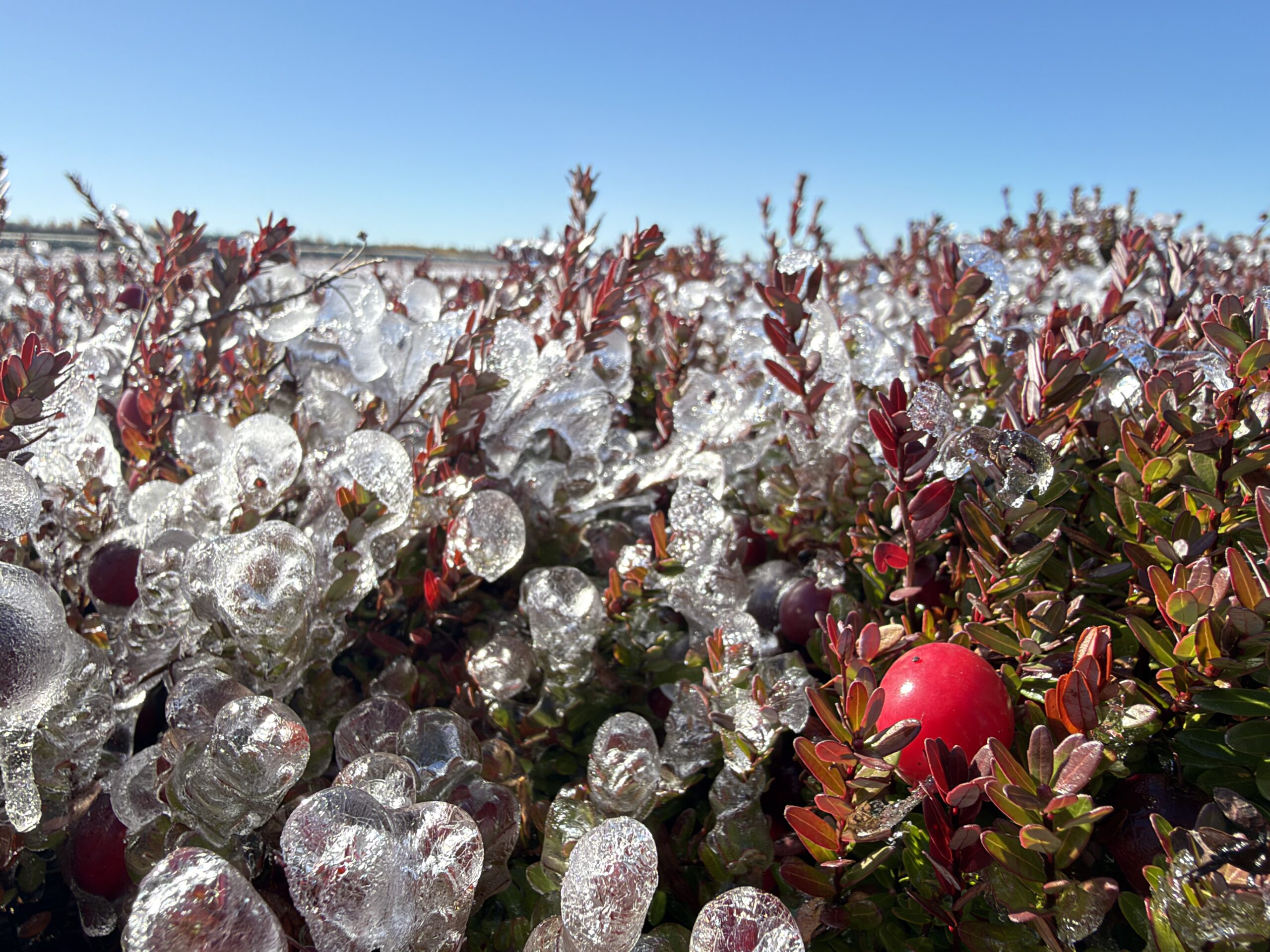
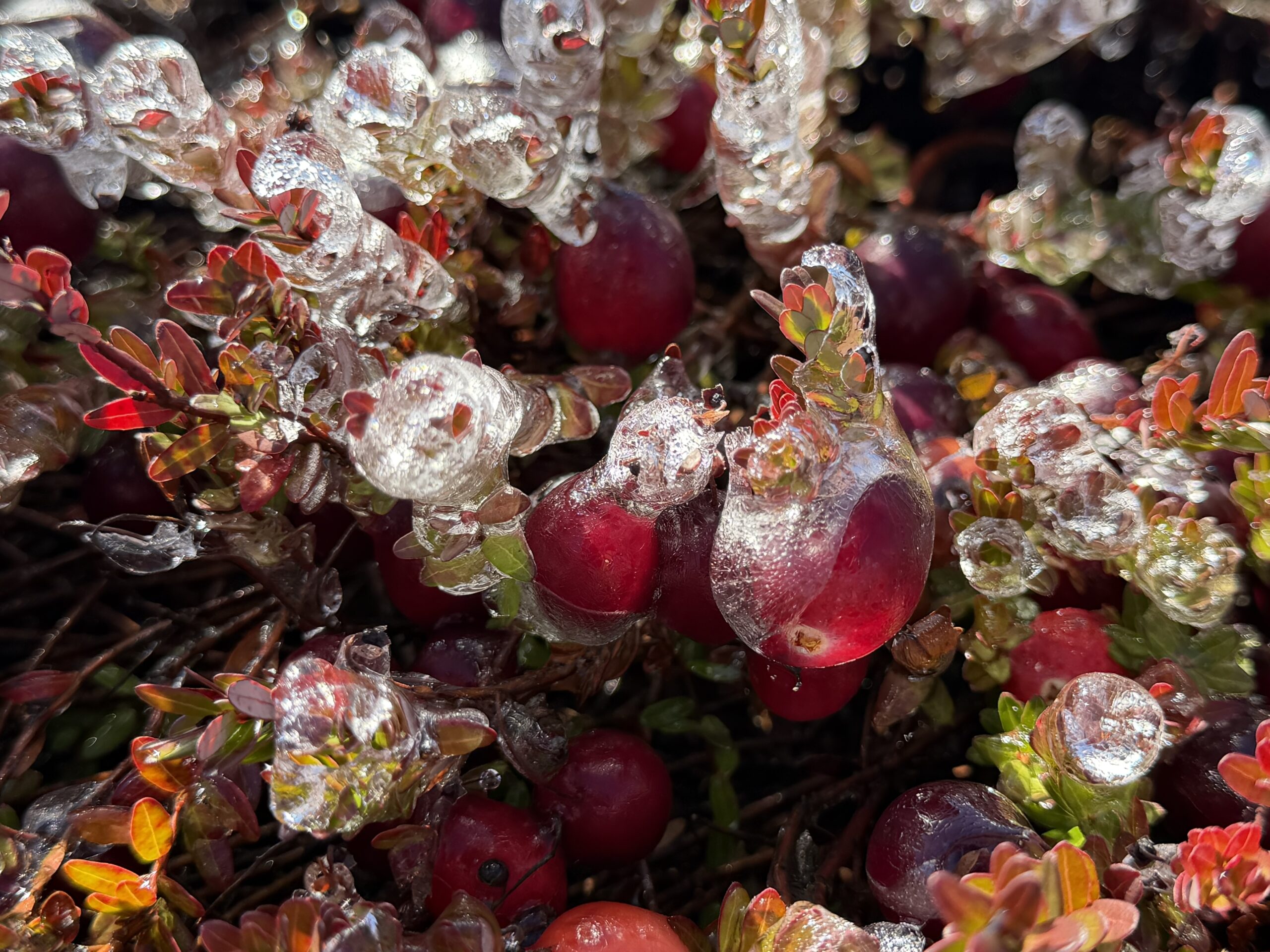
On particularly cold nights, irrigation systems can spray water onto the plants, buds and berries.
At first, it sounds counterintuitive: spraying plants with water when temperatures fall below freezing?
In fact, this is a well-established frost-protection technique based on a simple physical principle: when liquid water freezes, it releases heat.
By continuing to apply water under the right conditions, growers can help keep plant tissues close to freezing temperature, preventing them from dropping to even lower, potentially damaging temperatures.
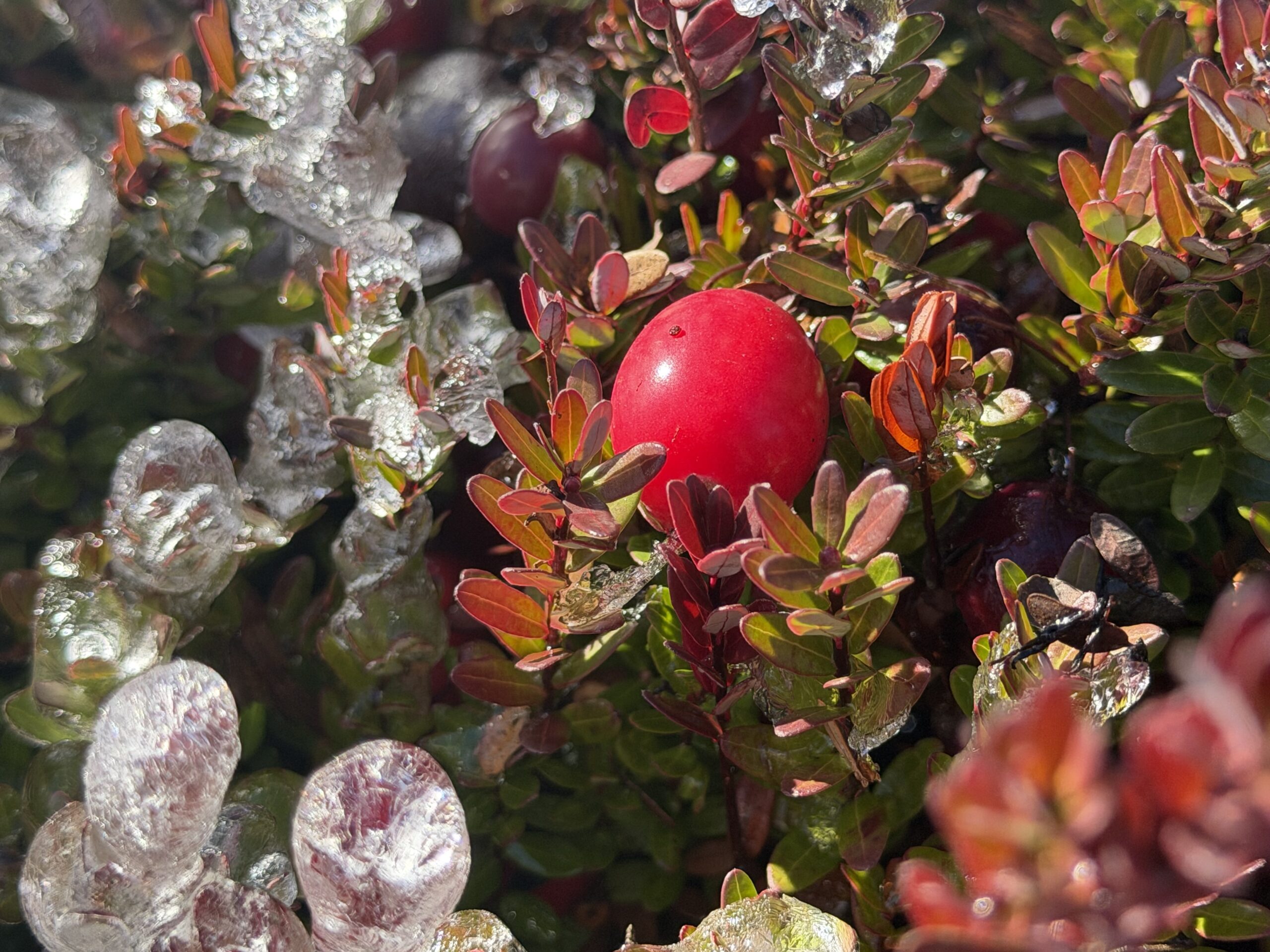
The visual effect can be extraordinary. Plants and berries become completely encased in ice which, paradoxically, helps protect them.
Controlled flooding during winter can also help protect plants against extremely low temperatures and drying out.
October: harvest time
In North America, cranberries are generally harvested from September to early November, depending on the growing region, weather conditions and berry ripeness.
The harvest we witnessed in Québec in the second half of October used an especially striking technique known as wet harvesting.
Before harvesting begins, the fields are flooded to a depth that allows the harvesting equipment to move through them.
Specialised machines equipped with rotating mechanisms travel across the flooded fields, loosening the berries from the plants.
And then something remarkable happens.
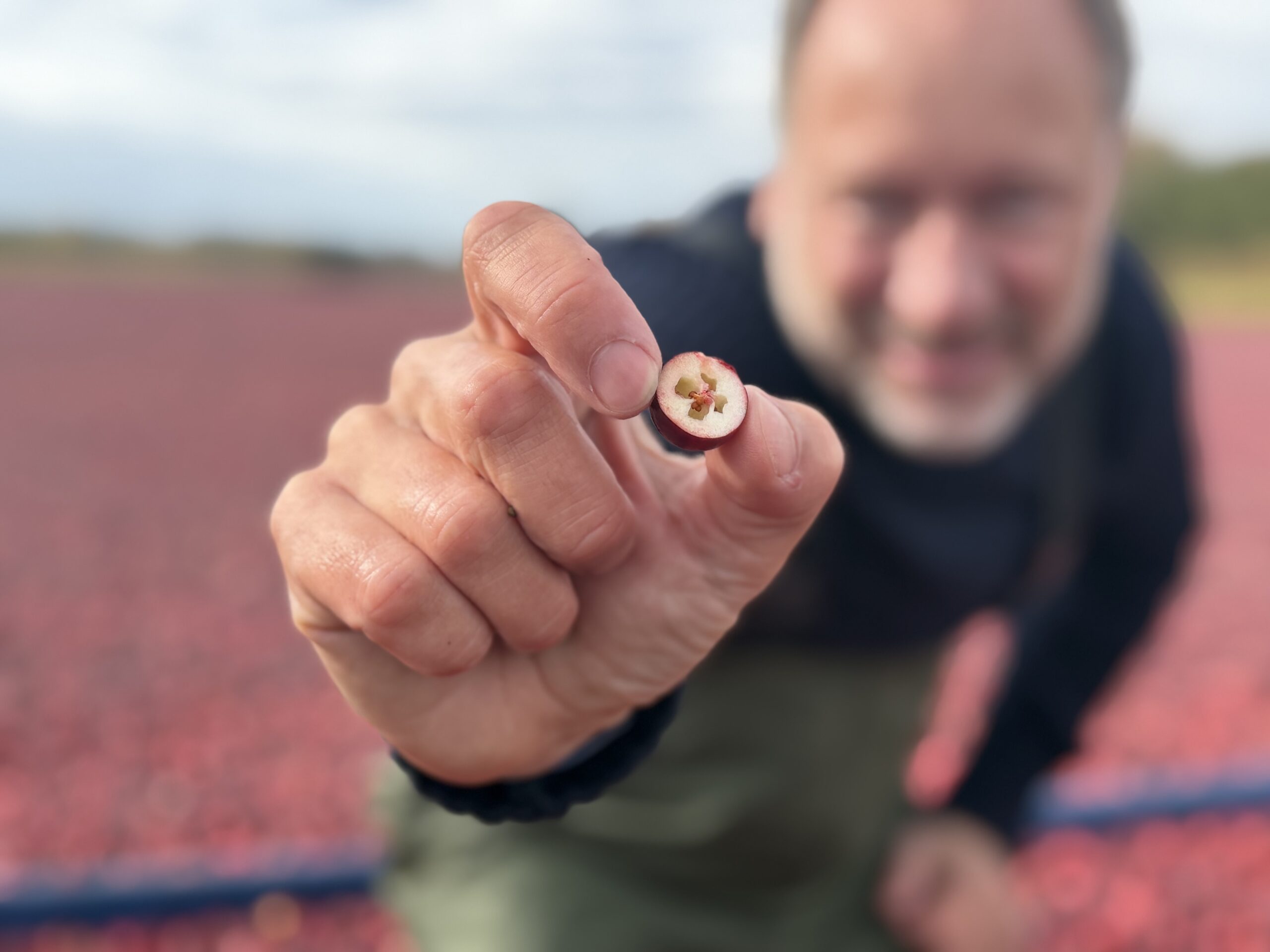
Each cranberry contains four small air-filled chambers, which allow the fruit to float naturally.
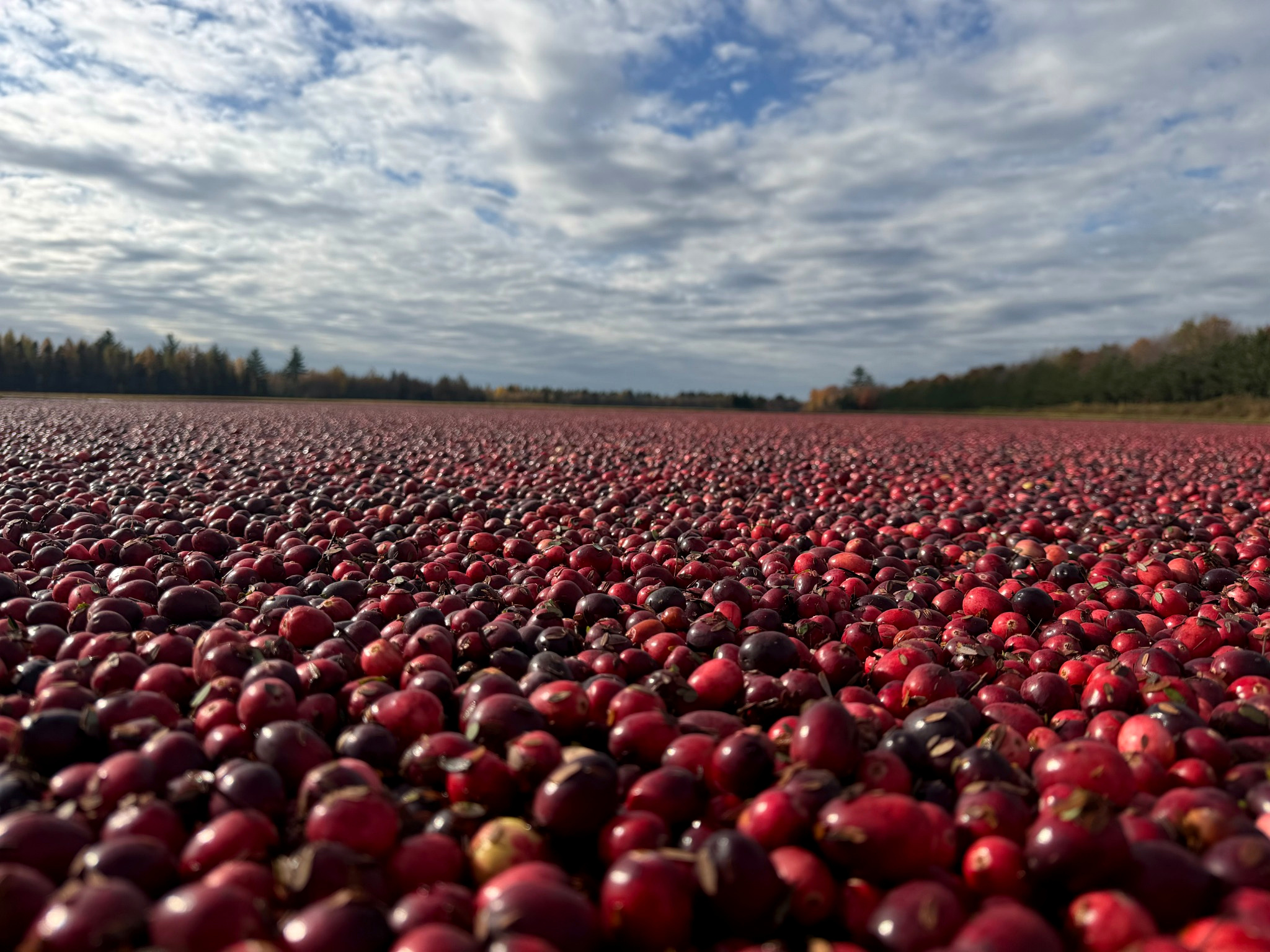
Once detached, the berries rise to the surface, gradually turning the flooded fields into vast expanses of floating red fruit.
It is an extraordinary sight, and one we were fortunate enough to experience up close.
From floating berries to a sea of red
Once the berries have floated to the surface, an equally fascinating second stage begins.
Workers use long floating booms to gradually guide the berries into smaller and smaller areas.
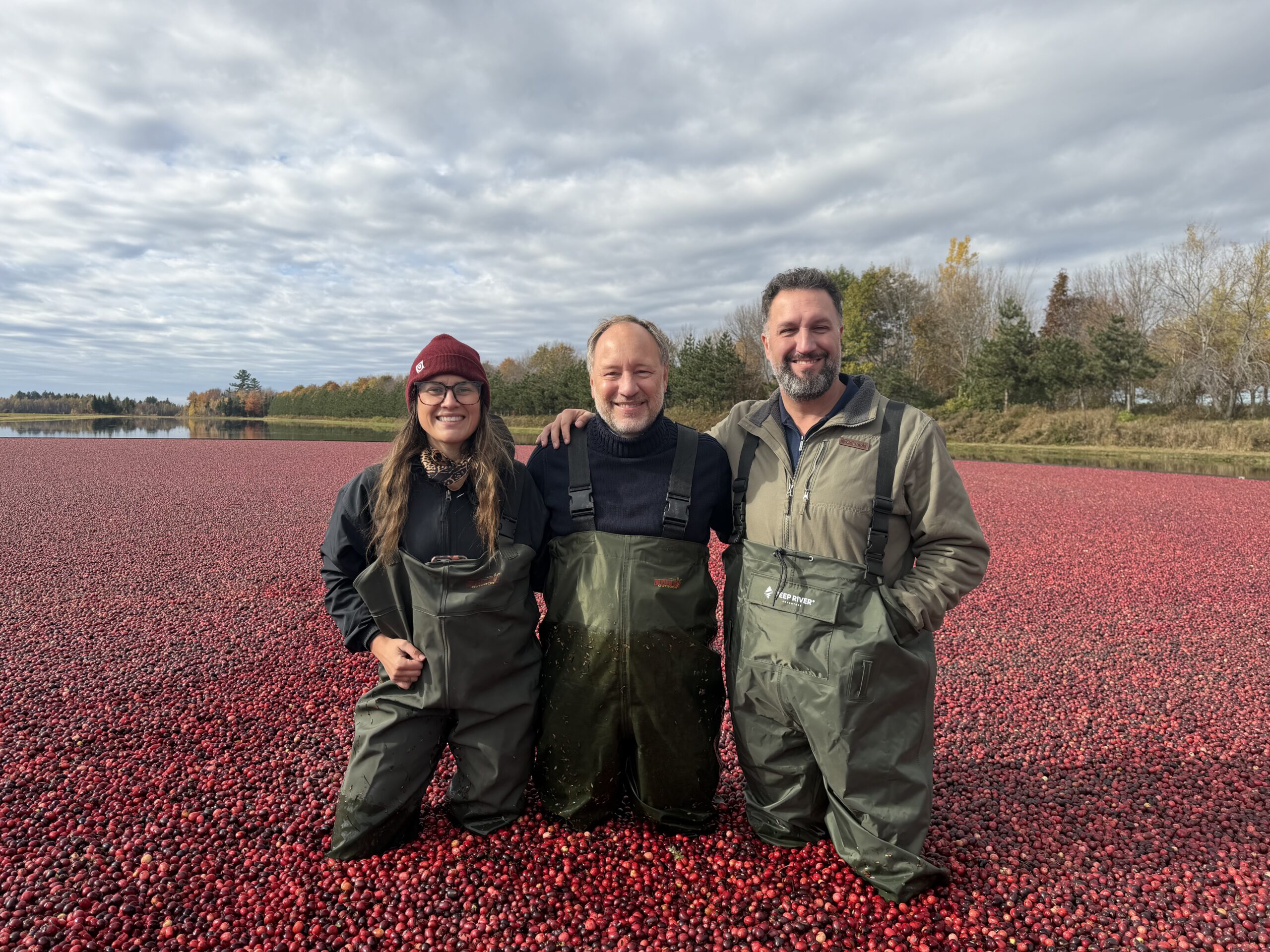
The fruit becomes so densely packed that it forms a brilliant red carpet, often hiding the water beneath it almost completely.
From water to transport: the final stage of the harvest
Once the berries have been gathered, pumping and conveying systems transfer them from the water to vehicles for the next stages of processing.
This step also allows an initial separation of water and some of the plant material that may have been collected with the fruit.
The entire process combines machinery, water management and the practical know-how of the harvest teams. Careful coordination is essential both to keep operations running smoothly and to preserve the quality of the raw material.
From harvest to processing: technology in the service of quality
Harvesting is, of course, only the first step.
Once the berries reach the processing facilities, they undergo further washing, sorting and grading.
Modern optical sorting systems are particularly impressive. Cameras, sensors and automated analysis help identify berries that do not meet the required standards — for example, fruit that is unripe, damaged or different in colour.
These berries can then be removed from the production stream with great precision using compressed-air jets.
Depending on their intended use, the berries can be processed into a wide range of ingredients, including dried fruit, juices, concentrates, purées and other preparations for the food and nutraceutical industries.
Over the years, Fruit d’Or has developed a highly integrated supply chain, from its direct relationships with growers through to industrial processing, with particular emphasis on traceability, quality and continuous process improvement.
From cranberries to PAC-standardised extracts
For us at Swisseutic, this supply chain is particularly relevant to the production of botanical extracts highly concentrated in proanthocyanidins (PACs) — a remarkably complex family of polyphenols and one of the defining characteristics of cranberries.
PACs consist of chains of flavanol units whose length can vary from small oligomers to much more complex polymeric structures. This variation, together with the different types of bonds linking the units, gives rise to considerable structural diversity.
One particularly interesting aspect is their metabolism. Following ingestion, PACs are only absorbed to a limited extent in their original form, especially when they have a high degree of polymerisation. Some therefore reach the intestine, where the gut microbiota help break them down into smaller phenolic metabolites, some of which are subsequently excreted in urine.
It is these metabolites that scientific research now considers to have a potentially important role in anti-adhesion activity against certain uropathogenic bacteria, particularly Escherichia coli. This is among the mechanisms being investigated to explain the interest in cranberries for preventing recurrent urinary tract infections, particularly in women.
The complexity of PACs also poses an analytical challenge: how can a single measurement quantify a family of molecules with such widely differing structures?
This is where the BL-DMAC method comes in. It is a colorimetric method used to determine the overall content of extractable proanthocyanidins that react under the assay conditions, following a standardised analytical procedure.
Its principal value lies in providing a common quantitative measure for such a heterogeneous group of compounds, although it does not distinguish individual molecular structures, chain lengths or the presence of A-type versus B-type linkages.
This is the context for the collaboration between Fruit d’Or, Greenvit and Swisseutic, bringing together complementary expertise across the entire supply chain, from growing the berries to producing and distributing standardised botanical extracts.
Fruit d’Or contributes its expertise in cranberry cultivation, selection and primary processing, providing in-depth knowledge of the fruit’s origin and traceability of the raw material.
Greenvit, our European partner specialising in botanical extracts, is the technological heart of the project. Drawing on its expertise in extraction and standardisation, Greenvit transforms raw materials sourced from Fruit d’Or into cranberry extracts for the nutraceutical industry, with particular attention to composition, consistency of quality specifications and the analytical methods used.
Swisseutic completes the partnership through business development, technical support and distribution in the relevant markets, maintaining a direct connection between customer needs and our partners’ manufacturing capabilities.
The collaboration has already led to the development of cranberry extracts with different proanthocyanidin (PAC) contents, including a product standardised to 15% using the BL-DMAC method. The aim is to expand the range over time and meet different technical and formulation requirements across the market.
A supply chain with sustainability in mind
Another aspect we particularly appreciated during our visit was the attention given to sustainable farming practices.
Over time, Fruit d’Or has developed an approach built on close collaboration with growers, organic agriculture, responsible management of natural resources and the continuous improvement of farming practices.
The company also publishes sustainability reports outlining its commitments and progress, from protecting biodiversity and managing water resources to reducing the environmental impact of its operations.
This is especially relevant for a crop in which water plays such a central role and its management requires knowledge, infrastructure and careful planning.
Understanding our ingredients by going back to their roots
As with our previous visits to growing regions, this journey gave us a deeper appreciation of the work, experience and technology behind something that, at first glance, seems as simple as a small red berry.
Seeing the fields for ourselves, speaking with growers and following the different stages of the harvest is an invaluable way for us to deepen our knowledge of the ingredients we select and offer to our customers.
This trip also had a personal dimension: I had the pleasure of sharing the experience with my daughter and introducing her to a world that is part of my everyday work — and that, after all these years, continues to fascinate me.
A special thank-you to the entire Fruit d’Or team for their warm welcome, their generosity with their time and the opportunity to experience this remarkable operation first-hand.
To see more of the cranberry harvest, visit the Swisseutic YouTube channel, where we have shared several videos showing the process.